



















Guide sections
Choosing a character in Slay the Spire 2 is choosing a problem-solving style. Each hero has a different baseline for damage, defense, scaling, and deck manipulation. Understanding those differences helps with drafting, pathing, and overall expectations. This page compares the four core characters and explains how to use their strengths without falling into their common traps.
Ironclad and Silent
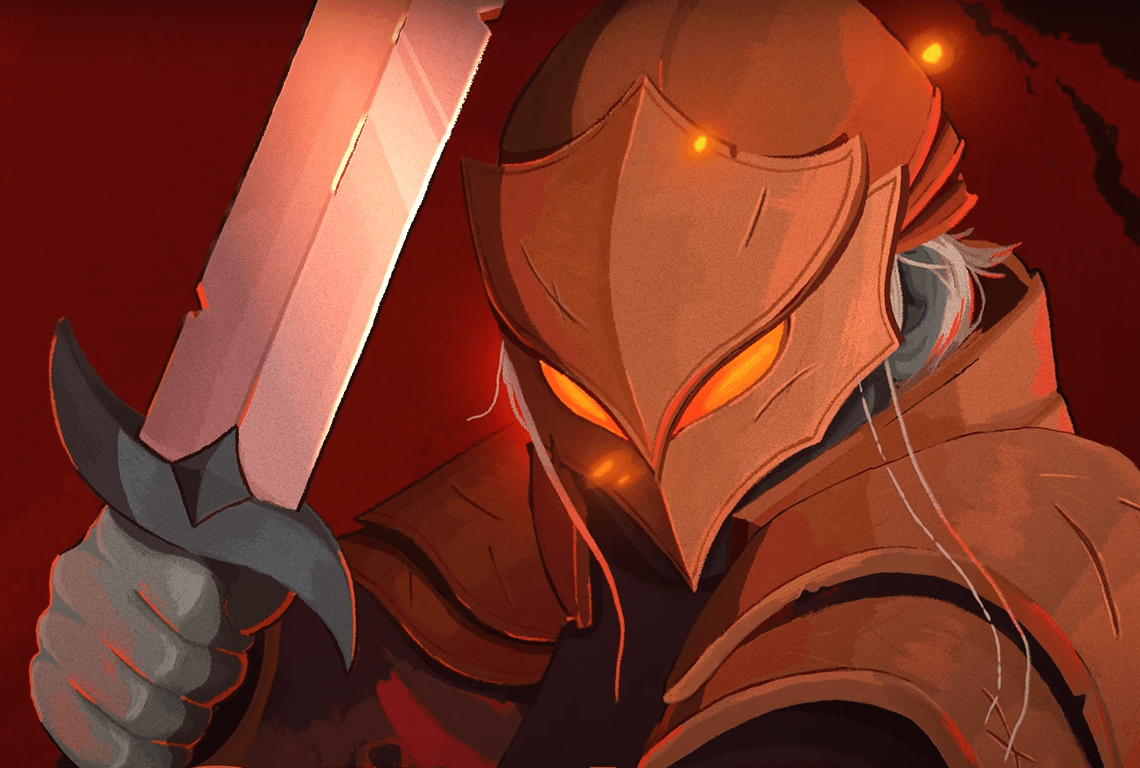
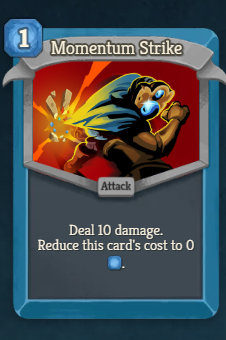
Ironclad offers direct combat power, strong sustain through Burning Blood, and a forgiving early game that lets players challenge elites sooner. That does not mean every Ironclad run should be brute force. Some of the best Ironclad lines come from disciplined card counts, selective exhaust packages, and scaling that avoids overloading the deck with expensive attacks.
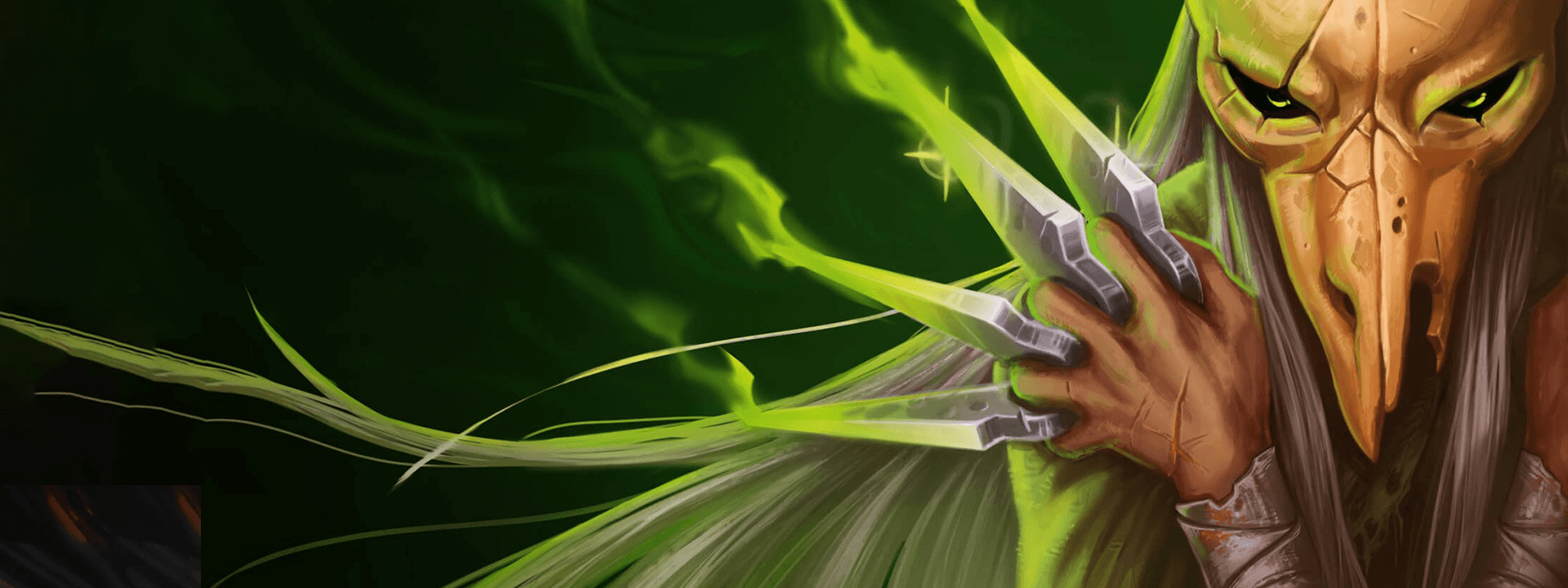
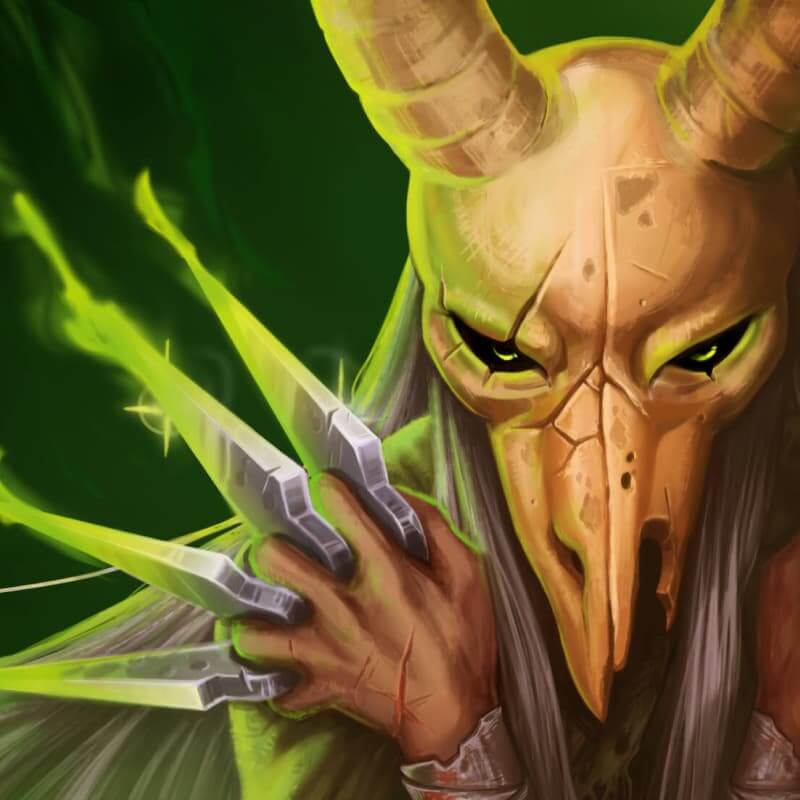
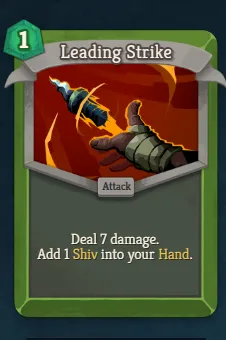
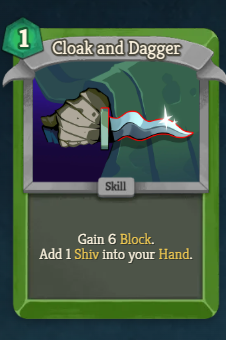
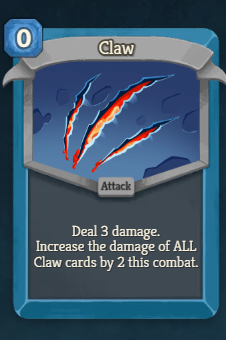
Silent starts slower but rewards precision. Ring of the Snake improves opening hands, which makes setup cards and situational tools less risky than they appear. Silent players should think carefully about frontloaded damage, because the character’s strongest long-fight plans still need to survive act-one elites. Poison, Shivs, and hybrid control lines all work, but they require different support.
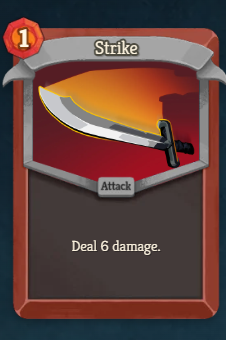
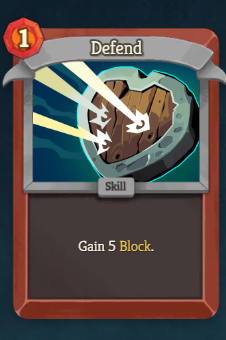
These two characters highlight an important principle: your starter relic changes what counts as a “safe” early pick. Use the database to compare starter cards and avoid assuming every character wants the same opening structure.
Defect and Watcher
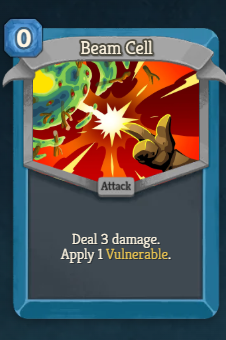
Defect is defined by orb tempo, Focus scaling, and the tension between immediate output and long-fight inevitability. Players who draft too greedily can lose before their engine turns on, while players who never commit to scaling can cap out later. Good Defect play comes from knowing when a simple orb card is enough and when you need draw, Focus, or defensive support first.
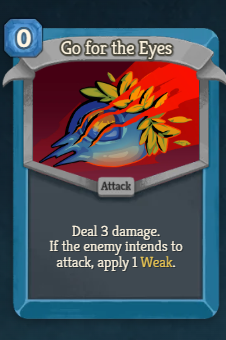
Watcher has explosive potential because stance changes magnify both offense and risk. The character rewards sequencing discipline more than any other. Entering Wrath at the wrong time ends runs. Entering it with enough draw, block, and lethal potential wins them quickly. Calm entry, stance exits, and card flow matter as much as raw damage numbers.
Both characters become much easier to learn when you can inspect exact card text and compare how starter relics influence the first turns of combat.
How to choose a character for improvement
If you want the easiest entry point, Ironclad is usually the cleanest because the character forgives small routing mistakes. If you want to learn hand management and tempo sequencing, Silent is excellent. If you enjoy scaling engines and planning orb output, Defect has deep reward. If you want the highest burst ceiling and do not mind more punishing mistakes, Watcher is ideal.
Improvement comes faster when you use character-specific expectations. Do not judge Silent by Ironclad damage pace or Defect by Watcher burst turns. Judge each hero by whether the deck solves the fights that matter for that kit.
Use the character comparison here as orientation, then move into the cards and relics sections to study the exact tools each hero relies on.